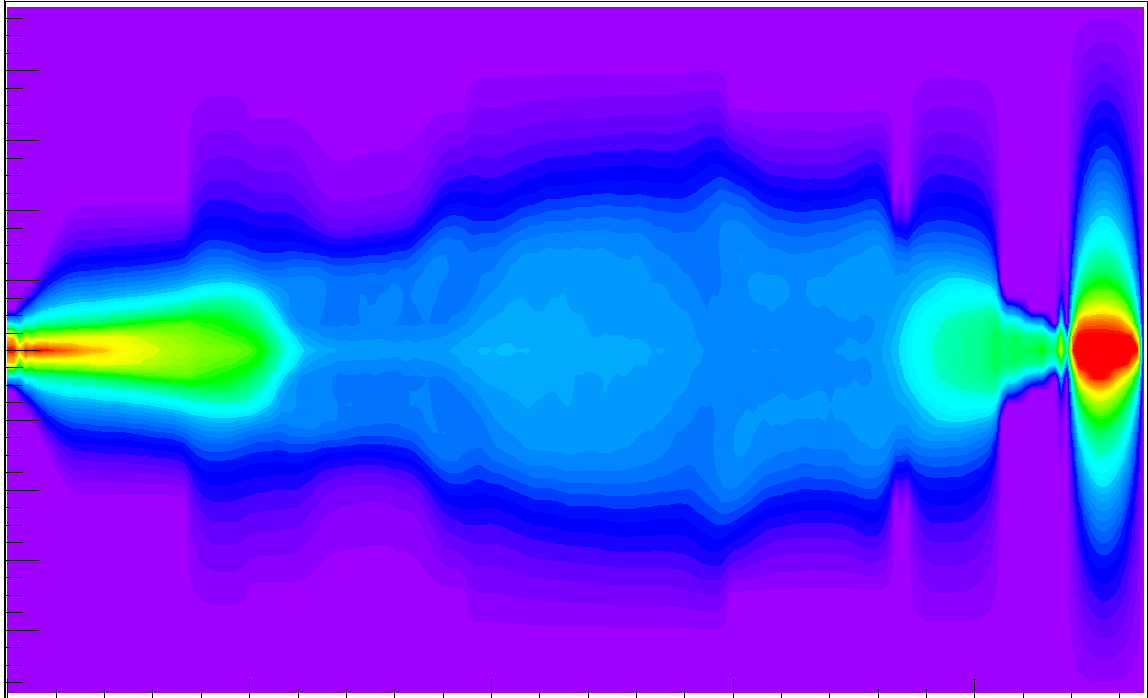
The Accelerator Design and Development Laboratory brings together DACM expertise and skills in the design, construction and testing of systems used to produce, transport, accelerate and characterize high-intensity or high-energy charged-particle beams.
As of December 31, 2015, LEDA employed 22 engineers, seven technicians, one PhD student and one engineering intern, working in the following teams:
- A team of experts in beam modeling applied to linear and circular accelerators, in the presence of collective effects such as space charge or wake fields, and in electromagnetic calculations applied to electrostatic, magnetic and radiofrequency systems.
- A technical team experienced in accelerator installation, mechanical assembly and cooling.
- An experimental team specialized in setting up and operating sources and injectors.
- An experimental team of experts for measuring beam parameters, involving the design and implementation of innovative diagnostic techniques.
Building the groundwork for future research, LEDA is currently constructing an accelerator for nuclear physics research (FAIR), contributing to the IFMIF and SARAF neutron source projects, designing a radiofrequency quadrupole for the ESS project, exploring the theoretical and technological aspects of the next generation of particle accelerators (HiLumi LHC, FCC and CLIC), and studying laser-plasma acceleration for the CILEX project.
Between 2013 and 2015, an important R&D program was conducted on ion sources through the development of the ALISES 2 source. In the field of beam diagnostics, LEDA contributed to the development of an innovative emittance meter.
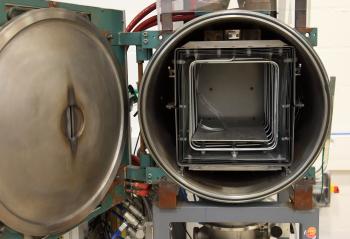
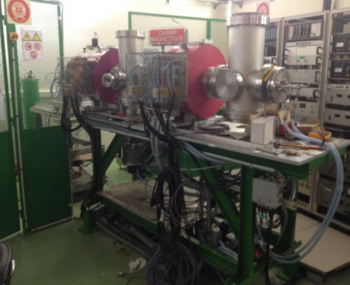
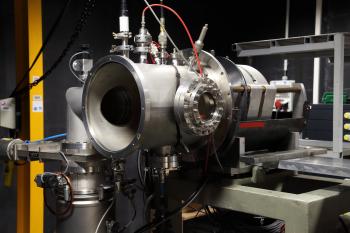
During this period, LEDA also developed its technological platforms by building DIVA, a laboratory for diagnostics, vacuum and assembly activities, while improving its ionsource design and test bench (BETSI) and preparing for startup of the high-intensity proton injector, IPHI. These projects were partially financed by the Ile-de-France Regional Council.
 PHoCEA DSM 2024 - Tous droits réservés - Mentions légales - Ce site utilise Twitter Bootstrap
Dernière mise à jour : Jan 11th, 2024