Any new project presents challenges of its own and generally needs specific R&D. Conversely, it is often the case that breakthroughs in some one particular R&D can profit to several projects. Several lines of R&D specific to accelerators are pursued at SACM:
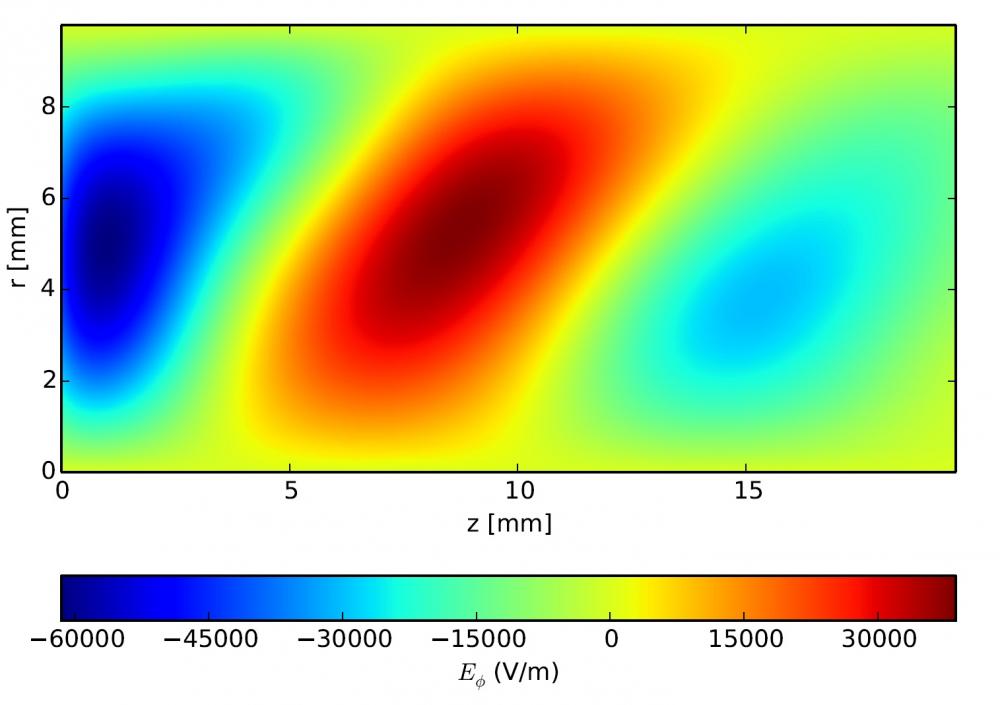
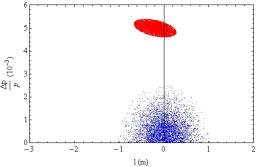
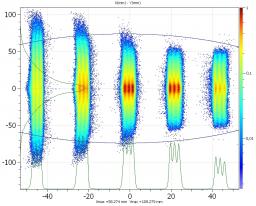
• The improvement of analytic models and development of numerical methods for modelling the particle beams dynamics which has to be adjusted to higher and higher requirements for operating parameters (energy, luminosity, reliability, …).
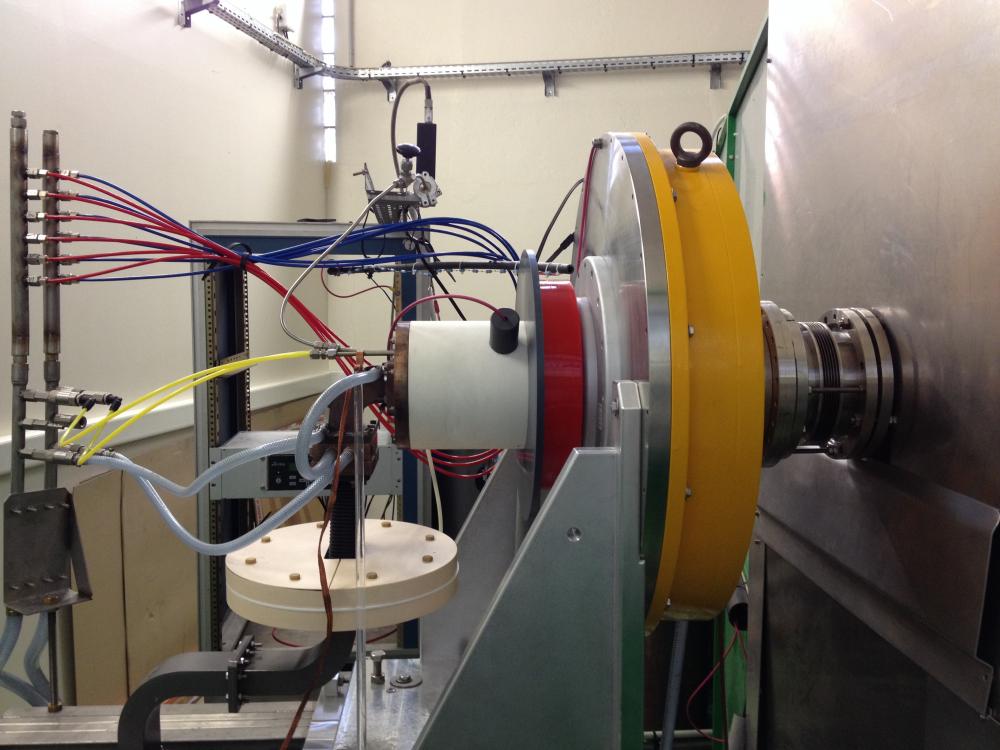
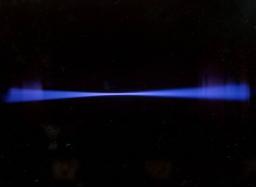
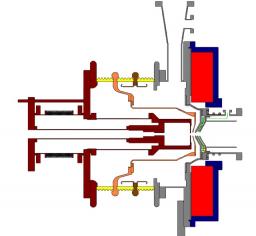
• The development of ion sources based on plasma generated by electron cyclotron resonance for the production of intense H+ and H- ion beams; progress here can result in continuous improvement in intensities and reliability.
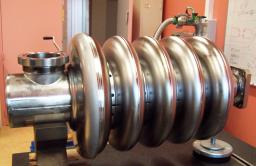
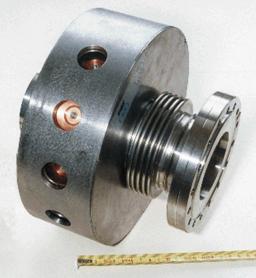
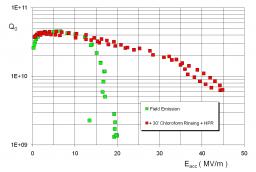
• Systematic studies in view of understanding the physical origin of the limits of accelerating field in the superconducting radio frequency cavities, and defining treatment suitable to achieve higher fields. In addition, technological developments allow us to study the construction of complete cryomodules in an accelerator environment, by incorporating superconducting cavities, associated RF components, as well as the supporting instrumentation.
 PHoCEA DSM 2024 - Tous droits réservés - Mentions légales - Ce site utilise Twitter Bootstrap
Dernière mise à jour : Jan 11th, 2024