The main purpose of the group in charge of software engineering for scientific applications (Lilas) is to develop the software tools and modules needed by the physics experiments in which Irfu is involved. Software modules play an ever increasing role in the systems developed by Irfu for its scientific projects and they are also expected to address ever increasing demands for performance, durability and reliability. The vocation of Lilas is therefore to maintain inside the Institute and over many years a pool of advanced technological skills that are most relevant to the projects in which Irfu is involved.
Consequently, apart from the proper design and implementation activities directly linked to the projects, the group needs to maintain R&D and technological watch activities allowing its engineers to acquire and expand cutting edge techniques, tools and methodologies in order to rationalize and professionalize the production of software for scientific systems.
In the course of their development of software modules and systems covering the multiple aspects of scientific projects, the engineers of the Lilas group need to maintain extensive relationships and exchanges, not only with their counterparts from international collaborations, but also with the physics experts, engineers and technicians within multidisciplinary teams across the Institute (electronics, mechanics, project management, etc.).
The activities of the Lilas engineers cover multiple domains which include:
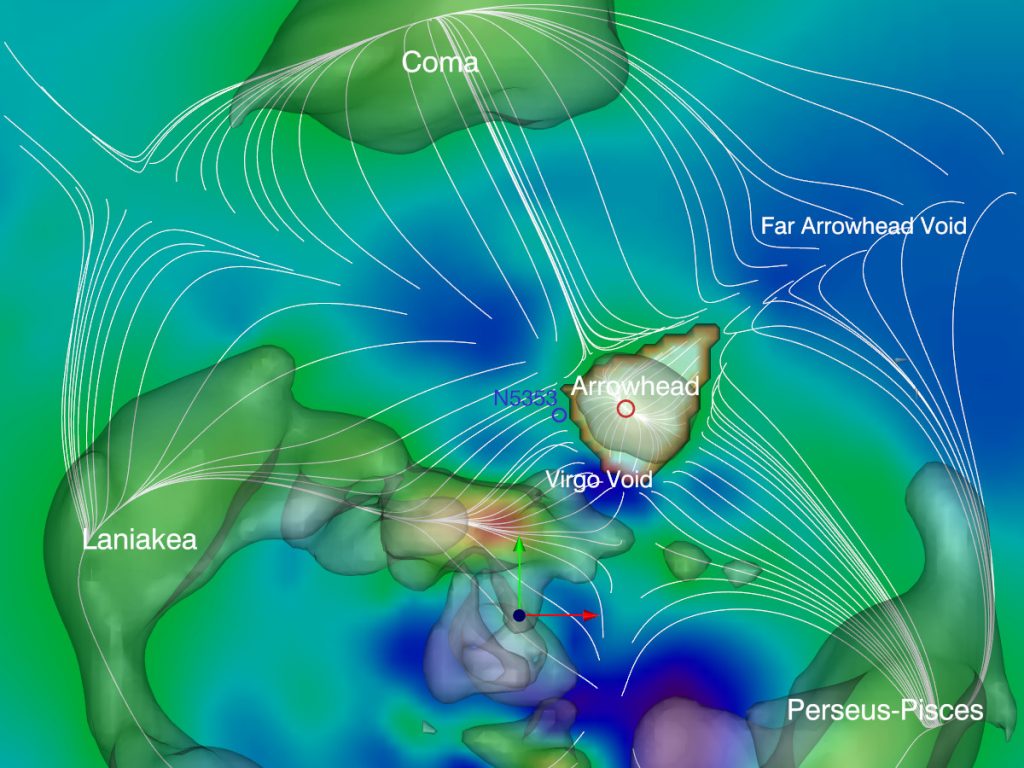
- the specification, design, implementation and deployment of software for simulation and scientific data processing
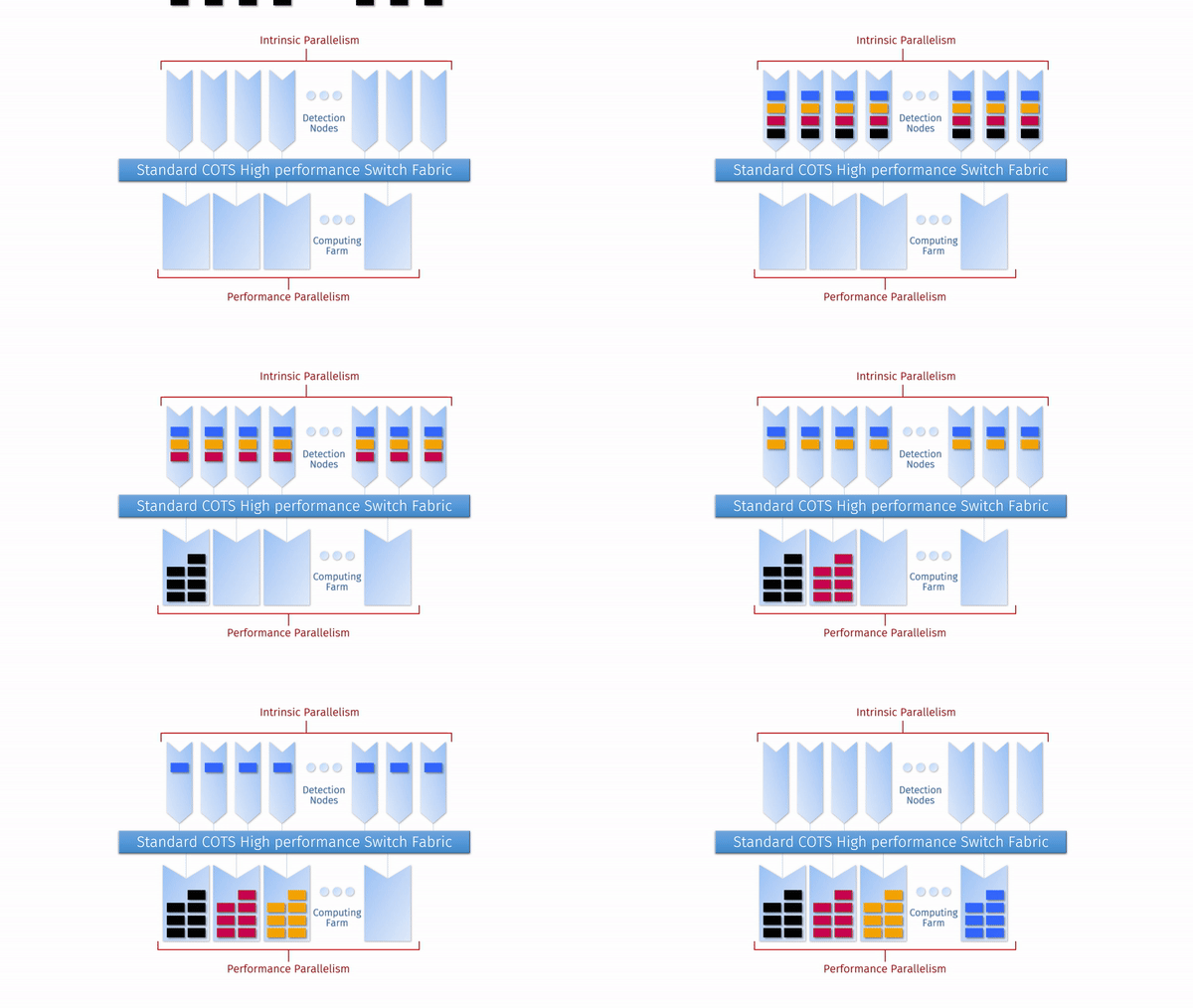
- the specification, design, implementation and deployment of software for the experimental apparatuses of physics experiments
- the ongoing R&D on software development technologies and methods
- the design and implementation of software frameworks and tools for the development of scientific systems
- the management of software projects.

Contact : Anvar Shebli